




















Organized Doesn’t Mean Compatible
Two Organized People Under One Roof, Two Systems That Don’t Speak The Same Language
Here’s a familiar scene: one parent lines up the shoes by the door every night, ready to grab on the way out. The other parent, just as tidy in their own way, corrals everyone’s shoes into a closet the second they’re off, out of sight and out of the way. Neither one is wrong, and neither one is messy, but together, the entryway never quite works because it’s actually hosting two different systems fighting for the same six square feet.
This happens in families far more than people expect, and it rarely gets identified correctly. It gets chalked up to someone “not caring enough” or “undoing” the other person’s work, when really, two genuinely organized people can still produce a disorganized house if their systems were never actually reconciled.
Why This Isn’t a Discipline Problem
Most families don’t sit down and design a shared system together — one person’s approach becomes the default because they got there first, or cared more in the moment, or simply moved faster. Everyone else in the house is then expected to adapt to a system they didn’t build and may not feel intuitive. That’s not laziness on their part. It’s the same reason a system built for someone who needs everything visible to remember it exists will frustrate someone who prefers things tucked away and out of sight — the logic underneath it doesn’t match how they naturally operate.
Add kids into the mix and it multiplies. A ten-year-old and a six-year-old often have completely different capabilities and instincts around “putting things away,” and a system built around an adult’s logic rarely translates cleanly to either of them.
What This Looks Like in Real Households
- One partner organizes by category (“all the chargers together”), the other by activity (“everything for the morning routine, together, near the door”). Both are legitimate systems, but a shared drawer built around only one logic will constantly frustrate the other person.
- One parent needs closed, labeled bins to feel calm. The other parent’s kids won’t reliably open a bin, ever, no matter how well it’s labeled — so their stuff quietly piles up on top of it instead.
- A shared family calendar or command center gets set up by the parent who thinks that way naturally, and the rest of the household treats it as “mom’s system” or “dad’s thing” rather than the household’s system, because no one else was part of building it.
Building a System Everyone Actually Uses
The fix isn’t picking whose system wins. It’s building shared zones around behavior everyone in the house already exhibits, instead of behavior you wish they’d adopt. A few starting points:
- Watch before you organize. For a few days, notice where things actually land — not where you’ve decided they should go. The real “home” for shoes is wherever they keep ending up, not the spot you’ve re-designated four times.
- Make the system visible, not just functional. A system only one adult understands isn’t a family system, no matter how well it works for that person. If a kid or partner can’t explain it back to you, it’s not actually shared yet.
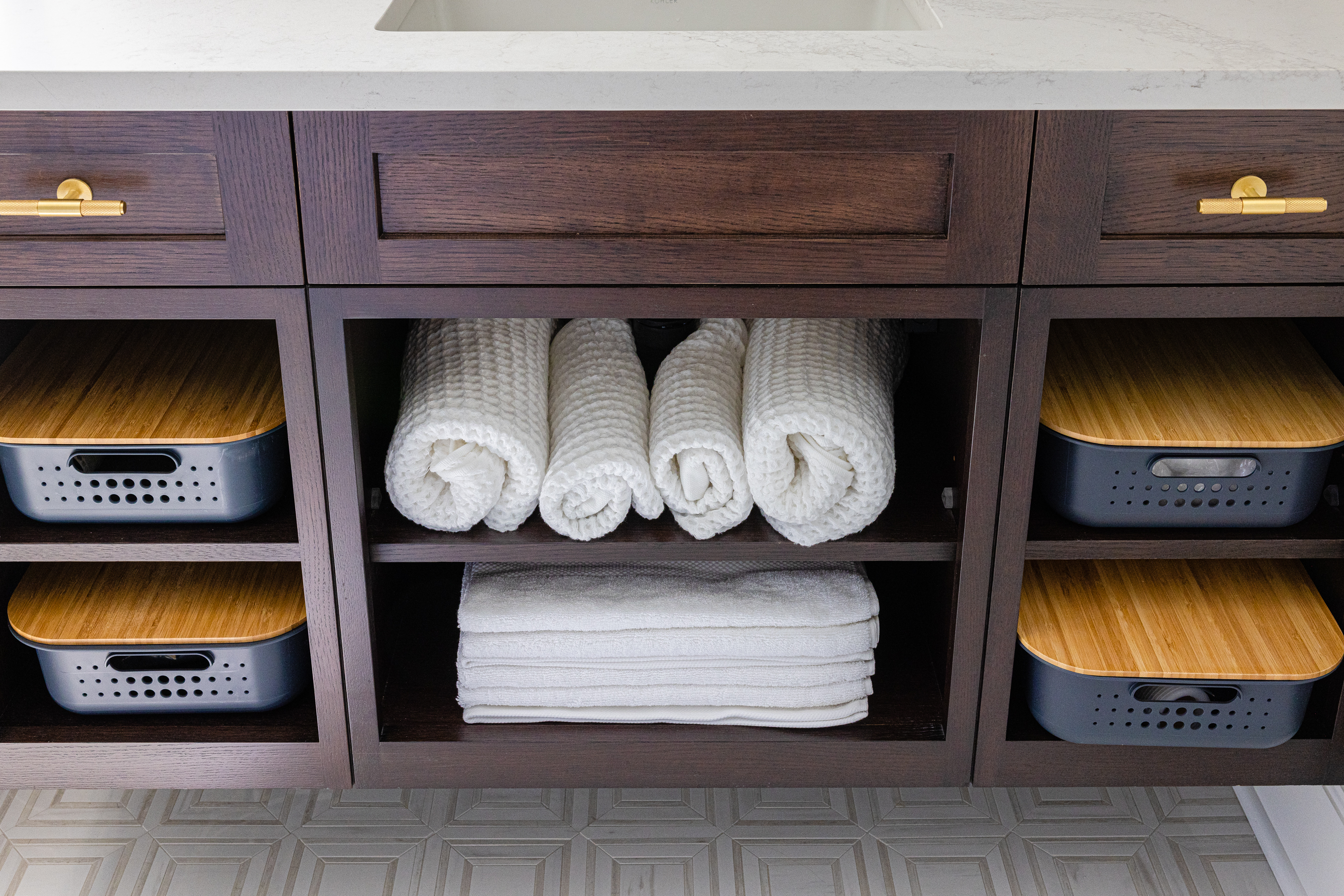
- Pick the lowest-effort option the least cooperative member of the household will actually use. An open bin that gets used beats a labeled, lidded one that doesn’t — aesthetics lose to compliance every time in a shared space.
- Revisit it seasonally, not just once. A system that worked when your kids were four and seven won’t fit them at seven and ten. What counts as a shared system has to keep pace with who’s actually using it.
A house doesn’t need one person’s system to win. It needs a system that was actually built with everyone who lives there in mind — which is a very different project than just organizing a closet.
The families with the calmest homes usually aren’t the ones with the most matching bins. They’re the ones whose system actually reflects how everyone under that roof operates.
Feel like your household is running two systems instead of one? DDH can help you build a system that actually works for everyone in your family. Contact us today to get a spot in our fall calendar.
| We Design for the Whole Household, Not Just One Person Reconciling different organizing instincts under one roof — instead of picking a winner — is something DDH organizers navigate on nearly every family project. It’s also exactly the mindset we train every franchisee to bring into their own market. As a DDH franchisee, you step into a proven playbook, hiring systems, and brand support from day one — so you’re equipped to serve every kind of household, not just the easiest ones. Learn more about franchise opportunities with DDH. Click the link below. |
