





















Why Some Spaces Never Stay Organized
(And What To Do About It)
You’ve done the work. You’ve watched the videos, read the books, maybe even done a full-home purge at some point. You know how to edit. You know how to categorize. You know what belongs and what doesn’t.
And yet there are spaces in your home that just won’t cooperate.
You organize them. They fall apart. You re-organize them. Same result. It can feel like a personal failing, but here’s the truth: it’s not. Some spaces resist organization not because of a lack of effort or knowledge, but because of how they function within a household. Understanding why helps a lot and so does knowing when a different approach might be the missing piece.
The Usual Suspects
Certain areas of the home show up again and again as chronic trouble spots even in otherwise well-organized houses. Here’s what makes them so stubborn:
The Garage:
The garage is a catch-all by design. It holds tools, sports equipment, seasonal items, overflow from the house, and everything in between. The challenge is that most garages lack the infrastructure; shelving, zones, clearly defined homes for items to support real organization. Without that structure, every purge just delays the inevitable pile-up.
Kids’ Rooms and Playrooms:
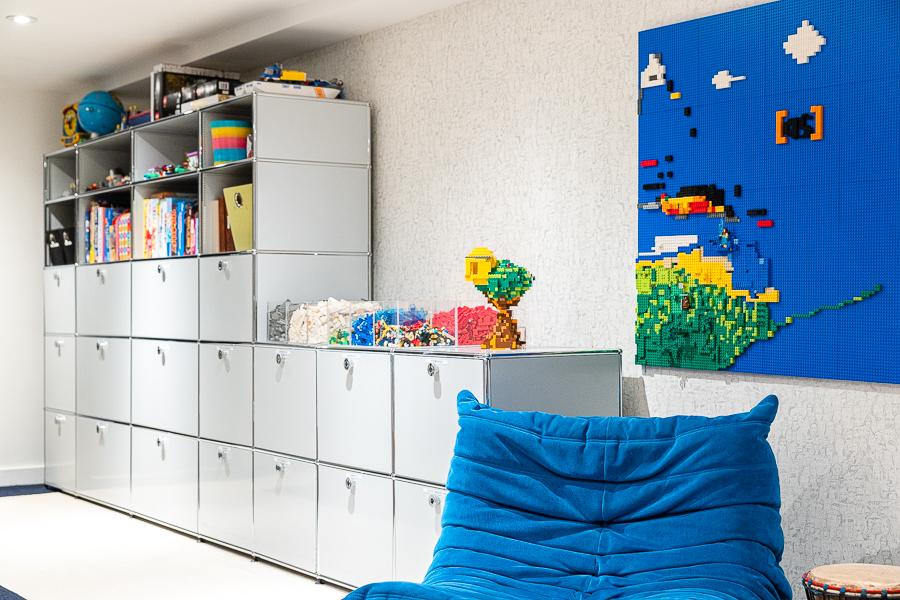
These spaces are uniquely difficult because the people who use them most aren’t the ones maintaining them. Kids’ needs and interests change fast, which means the system you set up in September might be completely obsolete by January. Add in the volume of stuff that flows in (birthday gifts, school projects, hand-me-downs) and it’s easy to see why these rooms feel like an endless battle.
The Paper and Mail Station:
Paper is one of the most persistent clutter categories in modern homes, largely because it requires active decision-making. Every piece of mail, every permission slip, every receipt needs to go somewhere specific and without a clear, consistent system that everyone in the household uses, it piles up fast. Digital alternatives help, but they don’t solve the physical flow entirely.
Shared Family Spaces:
Living rooms, mudrooms, kitchen counters – spaces that multiple people move through are uniquely challenging because one person’s system isn’t automatically another person’s system. When a space doesn’t have buy-in from everyone using it, even the most thoughtful organization will unravel.
It’s Not About Trying Harder
Here’s something worth sitting with: most persistent organization problems aren’t effort problems. They’re systems problems.
A system that works is one that’s designed around how a space is actually used – the real daily behaviors, the real number of people involved, the real volume of stuff coming in and going out. Generic solutions pulled from a blog or a beautifully staged Instagram reel might be inspiring, but they’re often built for an idealized version of a home, not yours.
This is why some people can organize a space beautifully and still find it deteriorating within weeks. The system looks right, but it doesn’t fit the reality of the household. And when a system is even slightly inconvenient, people stop using it.
A few things worth evaluating in any chronically disorganized space:
• Is the system designed for how you actually use the space, or how you wish you used it?
• Does every item in the space have a clearly defined home?
• Are the people who use the space part of maintaining the system?
• Is the volume of items in the space actually manageable for the space’s size?
When A Fresh Set of Eyes Makes All The Difference
Sometimes the most useful thing isn’t more information, it’s a different perspective. When you’ve been living with a space for a long time, it’s genuinely hard to see it objectively. You’ve normalized the chaos, you’ve worked around the pain points, and you’ve likely tried so many things that it’s hard to think creatively about what might actually work.
A professional organizer brings something different to the table. Not just methods or products, but the ability to assess a space without the emotional attachment or the mental history you carry into it. They can spot why a system keeps failing, identify what the space actually needs, and build something functional around your real life, not an aspirational version of it.
This isn’t about admitting defeat. It’s about recognizing that some problems are easier to solve with support, the same way you’d bring in a contractor for a renovation or a trainer when your workout stops progressing. Knowing your limits is just good judgment.
Ready To Finally Figure Out That Space?
If there’s a room in your home you’ve given up on or one you keep re-organizing and re-abandoning, we’d love to take a look with you. Sometimes one conversation is enough to unlock what’s been missing. Reach out to us today – we’d be happy to talk through what you’re working with and whether we can help.
Interested In Bringing DDH to Your Community?
DDH Home Organizing & Move Management is growing and we’re looking for driven, organized individuals who want to build a business they’re proud of. Our franchise model gives you the systems, training, and brand recognition of an established home organizing and move management company, with the independence of running your own operation.
If you’ve ever thought about turning a passion for organization into a career or if you’re an entrepreneur looking for a service-based business with real demand, we’d love to connect. Click the link below to learn more about what it would mean to become a member of the DDH family.
