





















The Spring Wardrobe Decision Guide
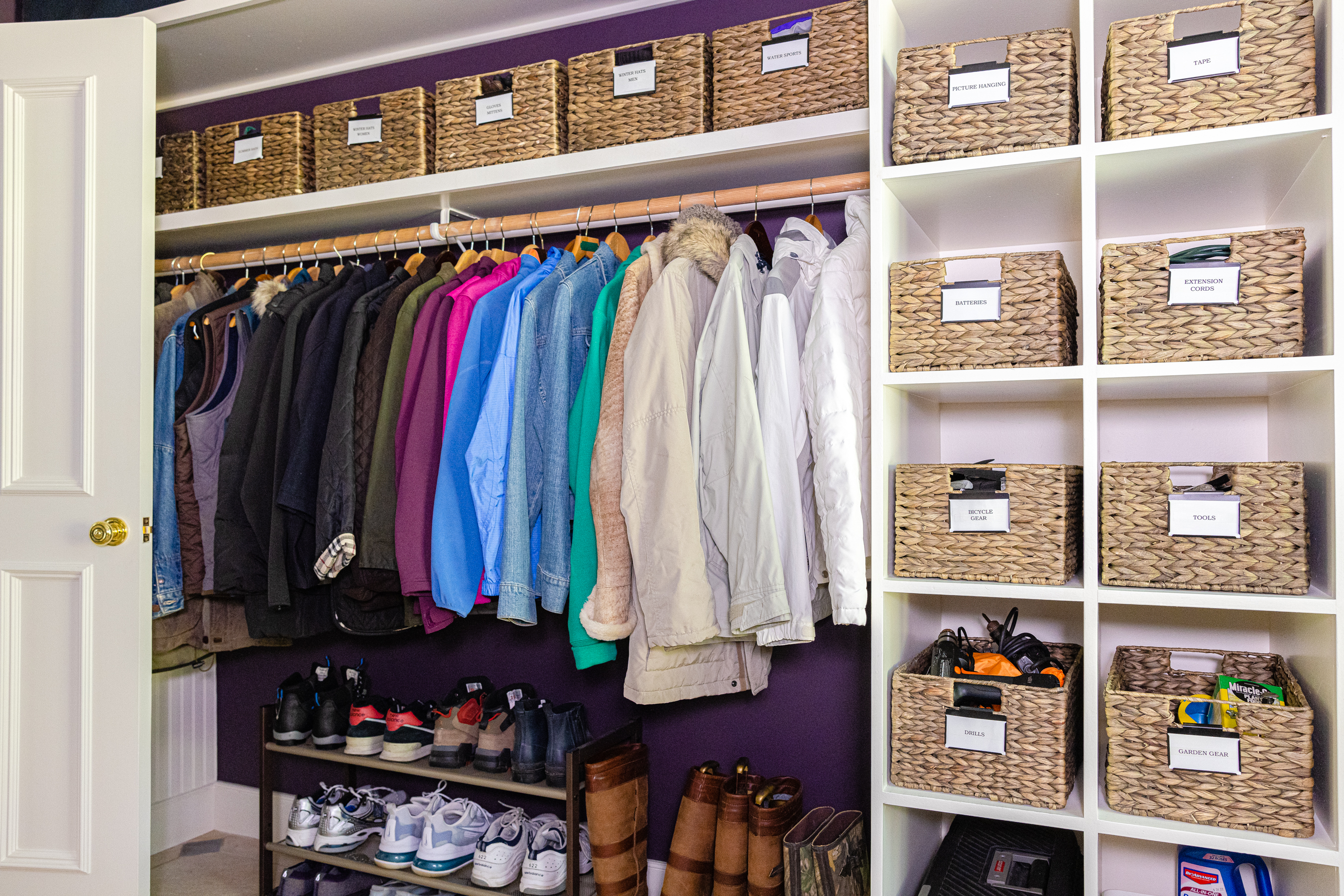
What to Store vs. What to Keep
As the seasons shift, so should your closet—but if you’ve ever stood there holding a sweater thinking “Do I still need this?”… you’re not alone.
Most people don’t struggle with organizing their wardrobe—they struggle with deciding what stays and what goes.
This guide will walk you through exactly what to store, what to keep accessible, and how to make confident decisions (without overthinking every single piece).
Step 1: Understand the Goal of a Seasonal Switch
Before you touch a single hanger, let’s get clear on the purpose:
Your closet should reflect your current lifestyle and weather, not every possible scenario.
When your closet is filled with out-of-season items:
- Getting dressed takes longer
- You feel overwhelmed
- You default to wearing the same few things
A seasonal reset creates space, clarity, and ease in your daily routine.
Step 2: What to Store Post Winter
These are the items that should come out of your everyday closet and be packed away:
✔ Heavy Winter Pieces
- Wool sweaters
- Chunky knits
- Thermal layers
- Heavy cardigans
✔ Bulky Outerwear
- Puffer coats
- Heavy wool coats
- Snow gear
✔ Deep Winter Accessories
- Thick scarves
- Gloves
- Beanies
✔ Cold-Weather Fabrics
- Fleece
- Heavy flannel
- Anything lined for warmth
Rule of thumb:
If it’s too warm to comfortably wear on a typical spring day—it gets stored.
Step 3: What to Keep in Your Closet
Spring weather can be unpredictable, so your closet should reflect flexibility.
✔ Transitional Layers
- Light sweaters
- Denim or utility jackets
- Lightweight cardigans
✔ Everyday Basics
- T-shirts and long sleeves
- Jeans and casual pants
- Comfortable dresses
✔ Light Outerwear
- Trench coats
- Rain jackets
- Blazers
✔ Versatile Pieces
Anything you can wear in multiple temperatures or layer easily.
Pro Tip: If you can wear it on a 50° morning and a 65° afternoon—it belongs in your spring closet.
Step 4: The “Maybe” Category (Your Secret Weapon)
This is where most people get stuck.
Instead of overthinking, create a small “maybe” section for:
- Pieces you’re unsure about
- Items you wore occasionally this winter
- Weather-dependent pieces
Place them in a separate area or bin.
If you don’t reach for them within the next 2–3 weeks, you have your answer.
Step 5: The Decluttering Rule You Shouldn’t Skip
Seasonal transitions are the perfect time to edit your wardrobe.
Ask yourself:
- Did I wear this at all this winter?
- Do I actually feel good in it?
- Would I buy this again today?
If the answer is no—it’s time to let it go.
Remember: Keeping something “just in case” is usually what creates clutter in the first place.
Step 6: How To Store Your Winter Items Properly
Once you’ve decided what’s leaving your closet, store it in a way that keeps everything protected and easy to access later.
✔ Use the Right Containers
- Clear bins for visibility
- Fabric bins for breathability
- Vacuum bags for bulky items (sparingly)
✔ Label Everything
Future you will thank you. Be specific:
- “Heavy Sweaters”
- “Winter Accessories”
- “Coats”
✔ Choose the Right Location
- Upper shelves
- Guest room closets
- Under-bed storage
Keep items accessible—but not in your daily space.
Step 7: The Mistakes To Avoid
Even the most organized homes fall into these traps:
❌ Storing Too Early
Keep a few warmer pieces accessible until temperatures consistently rise.
❌ Keeping Everything “Just in Case”
This leads to a crowded, ineffective closet.
❌ Skipping the Edit
If you’re not decluttering each season, you’re just rotating clutter.
Final Thoughts: Make Your Closet Work For You
Your wardrobe should support your life—not slow you down.
When you know exactly:
- What belongs in your closet
- What needs to be stored
- And what no longer serves you
Getting dressed becomes faster, easier, and honestly… more enjoyable.
Ready for a Closet that Works Actually Works for You?
If you’re feeling overwhelmed or don’t have the time to tackle this on your own, this is exactly what we help our clients do every day.
At DDH Home Organizing and Move Management, we create beautifully organized, functional spaces that make your daily life easier—from closets to full-home transformations.
Tap here to book your consultation or learn more about our services. Because organization isn’t about perfection—it’s about making your home work for you.
Want to Build a Professional Organizing Business?
If you love the idea of transforming spaces and helping others feel more in control of their homes, this might be your next chapter.
We’re expanding DDH Home Organizing and Move Management through franchising—and we’re looking for driven people who want to build a flexible, profitable business with the support of a proven system.
As a DDH franchise owner, you’ll get:
- A turnkey business model
- Training + ongoing support
- Branding, marketing, and systems already built for you
- The opportunity to grow in a high-demand industry
Click the link below to learn more!
